
The Dadar Station story • 1966

One man's answer
to a hungry city.

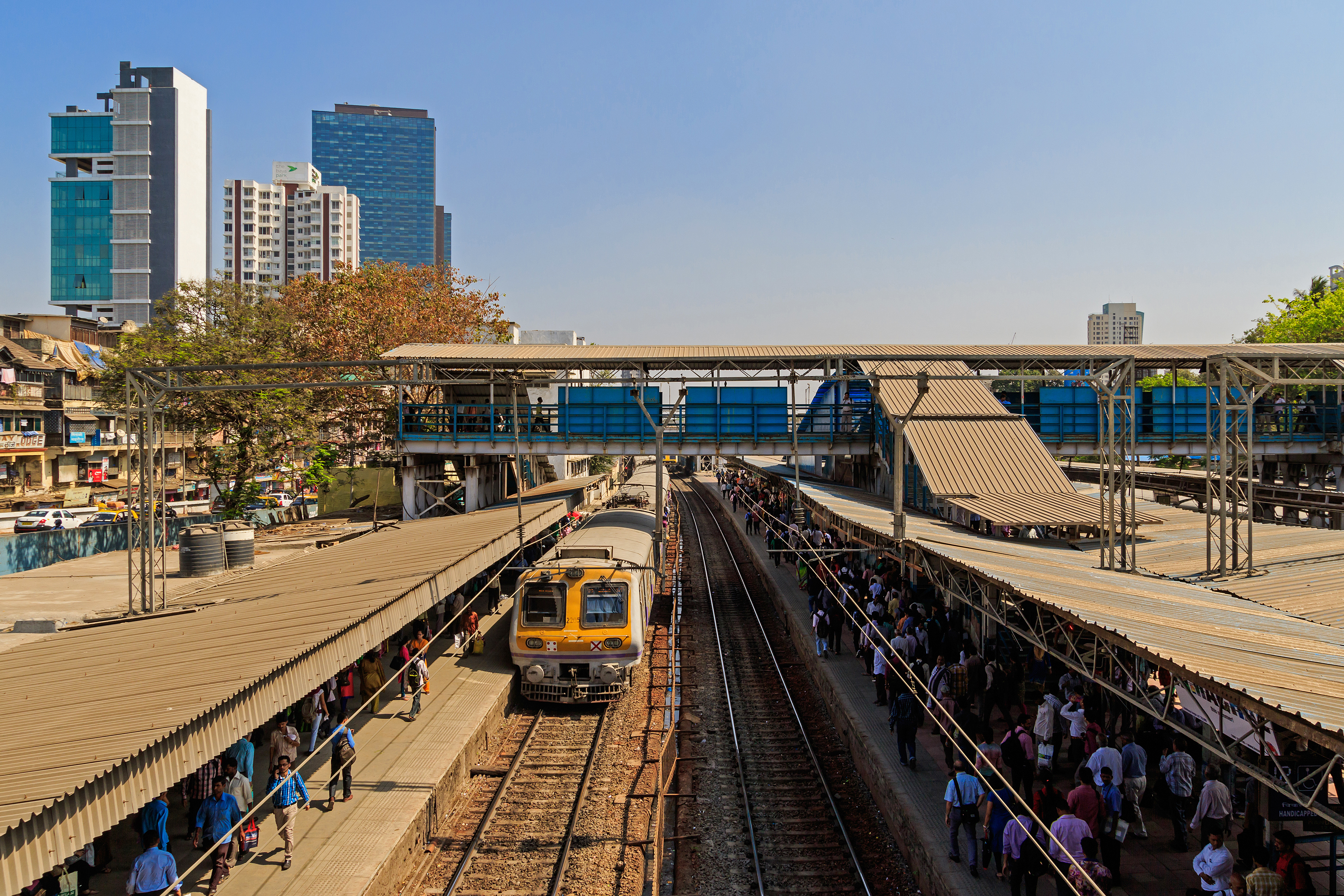
Outside Dadar Railway Station, Ashok Vaidya saw workers and commuters moving through Mumbai at full speed. He served a hot batata vada inside pav with chutney and chilli, a simple street-side idea widely credited with shaping the vada pav story Mumbai knows today.

दादर स्टेशन. १९६६. इथून सुरू होते ही गोष्ट.
Dadar StationWorking-city foodFamily legacy
DADAR • 1966Where the story begins
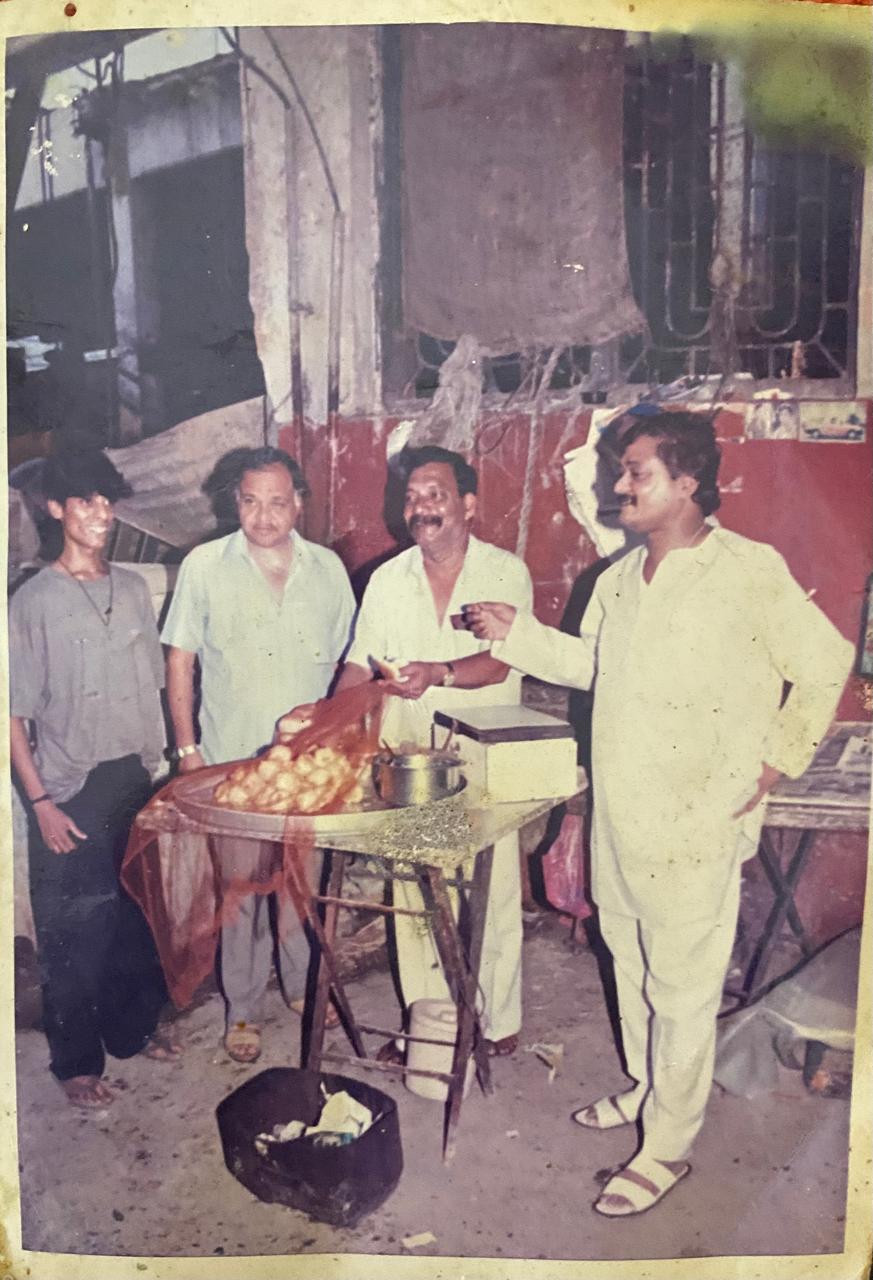
Archival street-side stall scene from the Ashok Vaidya family collection
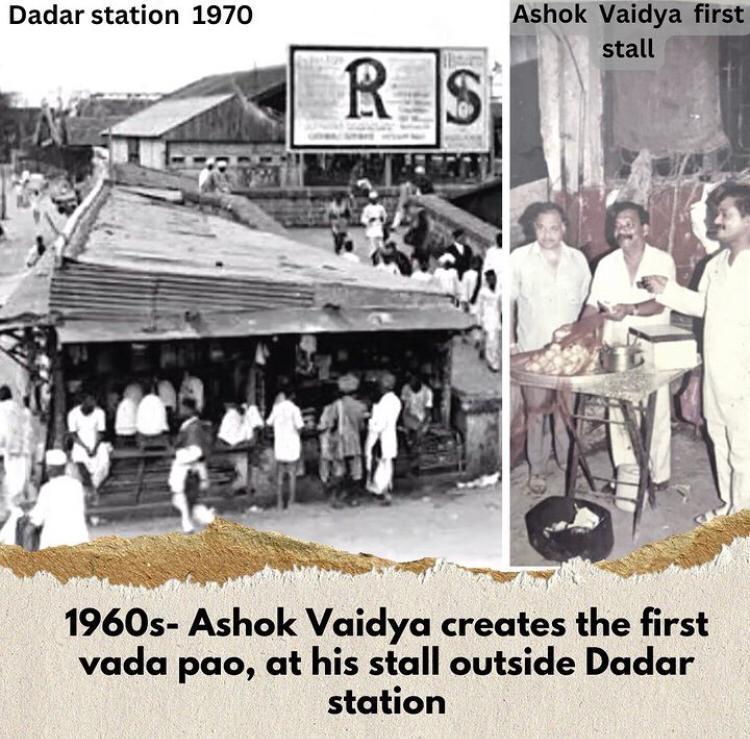
Historical collage of Dadar Station and the early Ashok Vaidya stall
One stall. One city-changing idea.
A legacy carried by family

A small stall.
A story Mumbai kept.

The years changed and the city changed, but the story stayed alive through family memory, old photographs, newspaper clippings, documentaries and moments of public recognition. This is not only the story of a snack. It is the story of a family holding on to a piece of Mumbai history.

पिढ्या बदलल्या. आठवण राहिली.
Family archivePressDocumentary memory
FAMILY ARCHIVEA story still being honoured
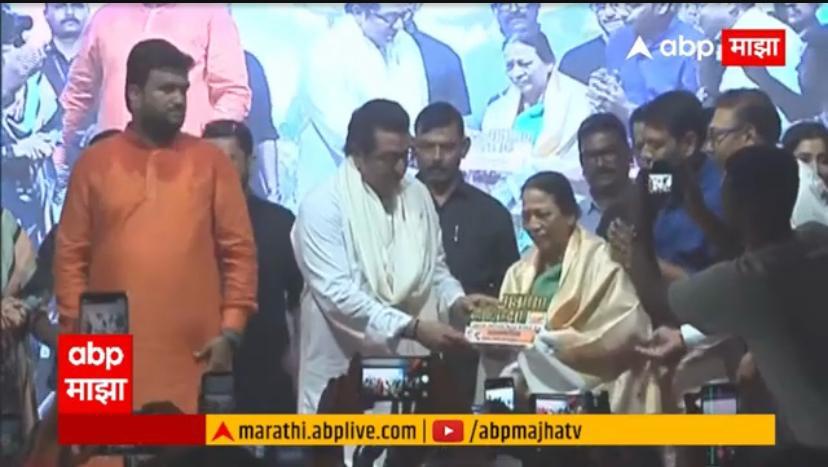
A family recognition moment preserved in the Ashok Vaidya project archive
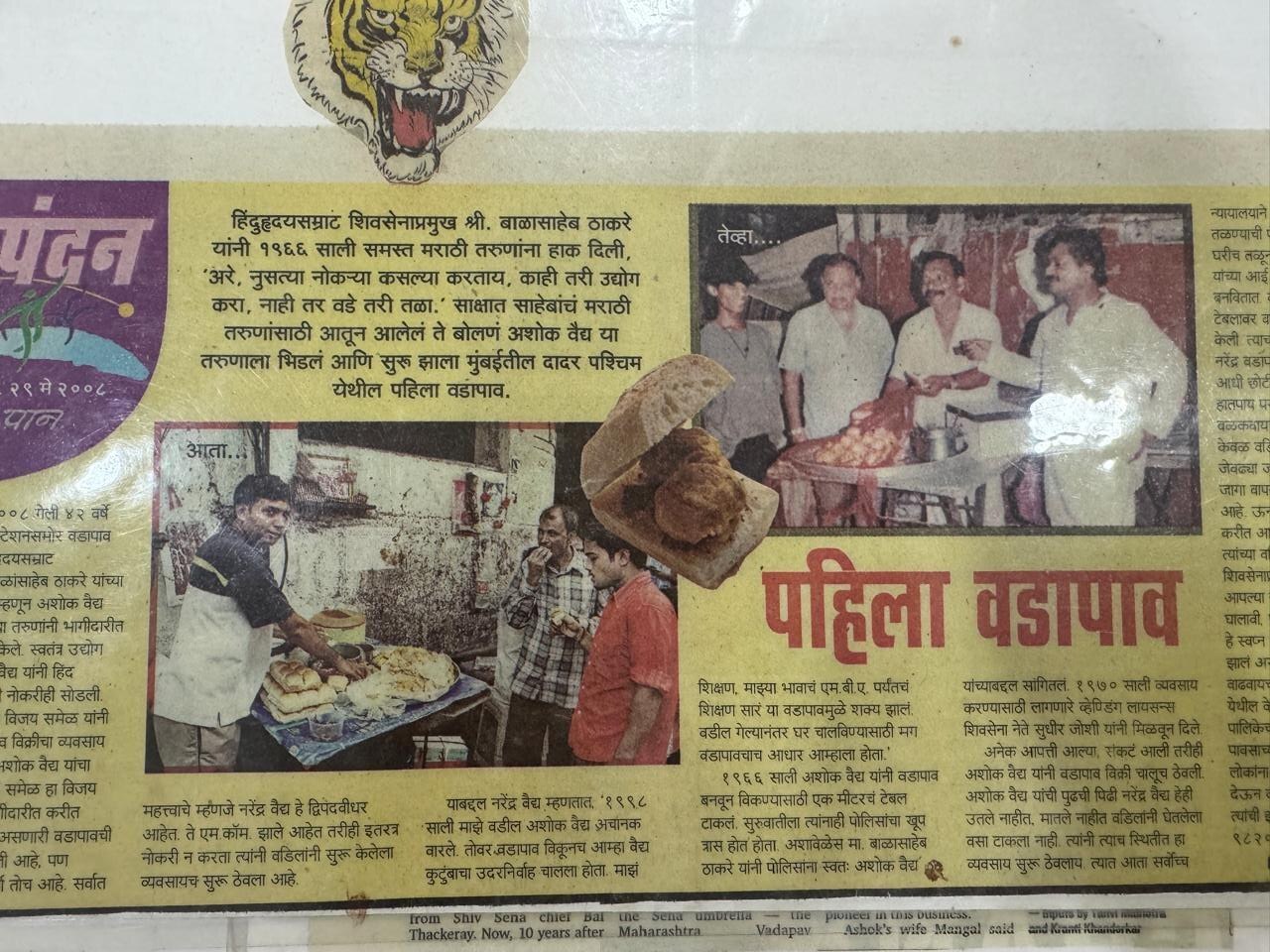
Marathi newspaper coverage from the Ashok Vaidya project archive
आठवणीतून वारशाकडे
Why the idea belonged to Mumbai

Made for
Mumbai speed.

Vada pav worked because it understood the rhythm of the city. It was hot, filling, affordable, vegetarian and easy to eat while standing or walking. What began as practical food for commuters and workers grew into one of Mumbai's most recognisable everyday rituals.

लोकलच्या वेगात, मुंबईच्या चवीत.
Commuter logicEveryday accessMumbai memory
MUMBAIFood that moved with the city
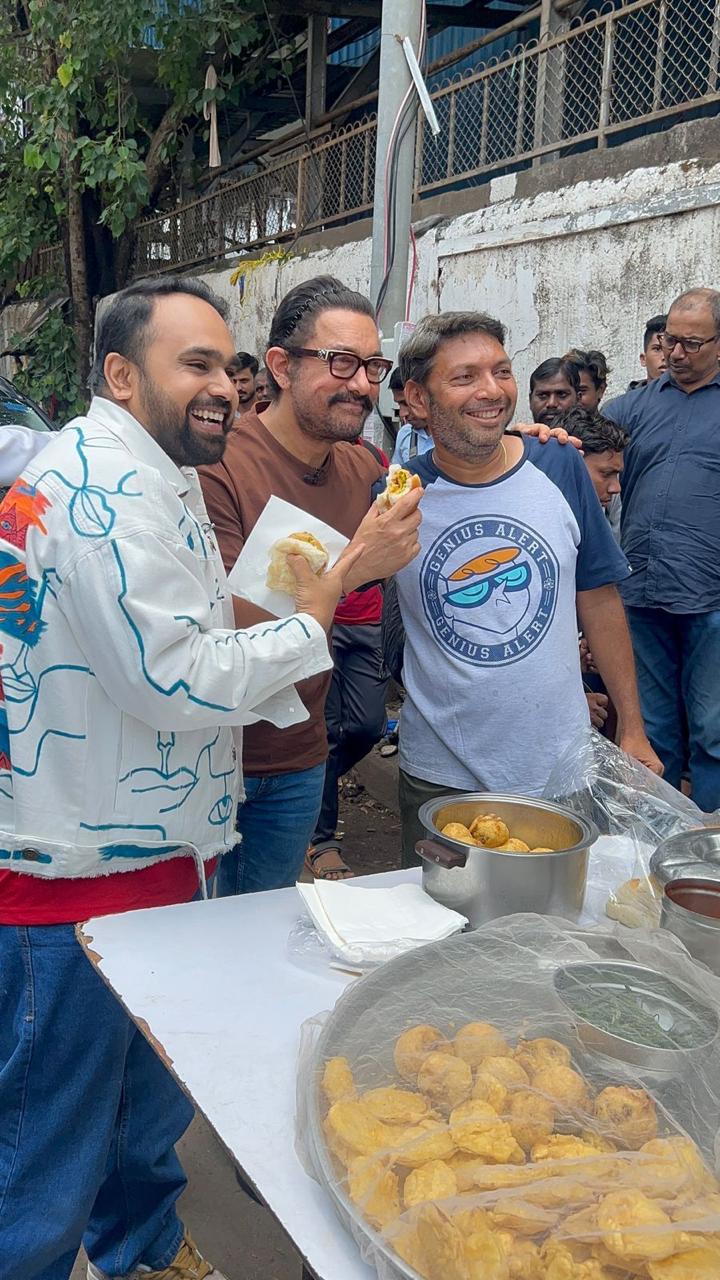
Street-side vada pav moment from the project media archive
Ashok Vaidya Vadapav branded food visual
Built for the moving city
01/03Use arrows to explore
MUMBAI LOCAL • WEST/CENTRAL
A family recognition moment from the Ashok Vaidya project archive
From the family archiveA moment of recognition for a story that began at Dadar Station.
Before the product, the story

A street-side idea
that became Mumbai memory.

The strongest thing about Ashok Vaidya's legacy is not a menu. It is the moment he understood what a fast-moving city needed and turned familiar ingredients into food that could move with Mumbai.

The Dadar Station story is most commonly associated with 1966. Since then, the family archive, press features and documentaries have kept bringing people back to the same name and the same place.

1966Dadar Station origin story FamilyArchive and continuity Film + PressA story retold for decades
एका हातात मावलेली चव. मुंबईच्या आठवणीत राहिलेली गोष्ट.

How Ashok Vaidya understood the meal Mumbai needed

He did not invent the potato.

He did not invent the pav.

He understood Mumbai.

And he created the meal Mumbai needed.

01/04
1966The year most commonly associated with Ashok Vaidya's Dadar Station origin story
60+Years of family memory, city memory and retelling around the vada pav story
1Street-side idea designed around the needs of a city always in motion
∞Daily journeys, memories and Mumbai stories attached to one humble bite
Historical collage showing Dadar Station and the early Ashok Vaidya stall story
Where the legacy took shapeDadar Station • family archive • Mumbai
About Ashok Vaidya

Before it was an icon,
it was an answer.

Food histories most often credit Ashok Vaidya with selling the earliest vada pav outside Dadar Railway Station in 1966. What makes the story powerful is not culinary complexity. It is observation. He understood the people around him, the rush of the station and the need for food that was fast, filling and within reach.

A hot batata vada, soft pav, chutney and chilli solved an everyday problem. Mumbai did the rest. Commuters carried it into their routines, workers made it part of the working day, and generations turned a practical snack into a cultural memory.

वडापाव म्हणजे फक्त खाणं नाही, ती मुंबईची आठवण आहे.A simple bite became part of how the city remembers itself.
Read the detailed history →Dadar Station1966 legacy
The story Mumbai kept carrying

From one footpath idea
to a city's food memory.

Five moments explain how a practical answer outside Dadar Station became a story that continues to travel through Mumbai.

66
1966 • Dadar Station

Ashok Vaidya is widely credited with pairing batata vada and pav for the commuter and worker crowd around Dadar.

60s
The city makes it a habit

Its speed, price and portability fit the working day. The snack moves from a clever solution into everyday Mumbai life.

82
Street food becomes livelihood

After the 1982 mill strike, vada pav vending expanded as more workers looked for new ways to earn.

15
The story reaches film

Vada Pav Inc. documents the snack's rise and brings the Ashok Vaidya story into a new cultural archive.

Now
The family keeps the memory alive

Documentaries, press features and the family archive continue to connect the iconic snack back to Dadar Station and the people behind it.

Open the full timeline →

THE STORY LEFT A PAPER TRAIL.

The Ashok Vaidya story has been revisited in food writing, radio, documentaries and Marathi press because it connects a familiar Mumbai snack to a specific place, a specific family and a specific moment in the city's working life. The archive matters because it turns nostalgia into evidence: photographs, clippings and films show how the story kept being remembered long after the first stall became part of Dadar's daily rhythm.
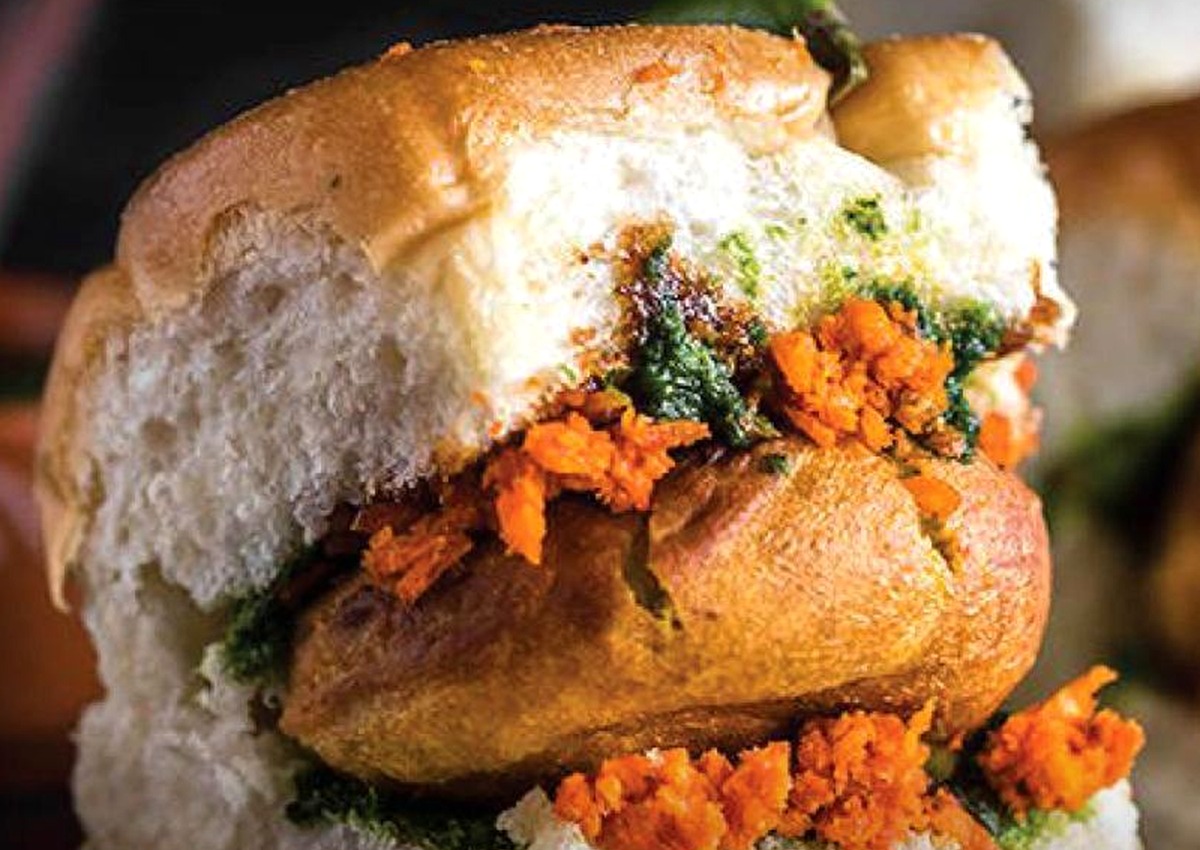
Fresh vada pav ingredients and preparation
01 • Pav02 • Batata vada03 • Lasun chutney04 • Mirchi
Anatomy of a classic

Build the
Mumbai bite.

There is no need to make it fancy. The architecture already works: a crisp potato fritter, soft pav, chutney and chilli, comfort food engineered for a city that eats on the move.

1

The pav

Soft ladi pav gives the snack its portable shape and absorbs chutney without becoming the main event.

2

The vada

Boiled potatos mixed with Spices is coated in gram-flour batter and fried until the shell is crisp and the centre stays soft.

3

The chutneys

Dry garlic heat and fresh green chutney bring depth, spice and the flavour signature that changes stall to stall.

4

The chilli

Fried or salted green chilli on the side. Optional in theory. Emotionally mandatory for many Mumbaikars.

Why Mumbai said yes

This snack
understood the city.

🚆

Commuter-ready

One-handed, compact and quick enough for the seconds between platform, road and office.

₹

Everyday pricing

Its working-class roots made it accessible long before street food became a culinary trend.

🔥

Big flavour, small format

Heat, crunch, softness and spice create maximum impact without cutlery or ceremony.

🤝

Democratic by design

Students, workers, celebrities, tourists, the pavement does not need a dress code.

The signature format

No 40-page menu.
Know your hero.

A heritage food brand gets stronger when the core product stays the main character. Start with the classic, then let the chutney and chilli do the talking.

OrderClassic vada pav
HeatLasun + mirchi
Best eatenImmediately
Dress codeMessy hands
MoodFull Mumbai
Ashok Vaidya Vadapav branded vada pav visualHERO
Classic

The Vada Pav

Hot vada, soft pav, chutney and chilli. The format that needs no translation.

Close-up of vada pav with green and garlic chutneyTEEKHA
Heat

The Chutney Kick

Garlic chutney, fresh green chutney and a chilli bring the bold Mumbai edge to the classic format.

Green chilli illustration inspired by the classic vada pav sidekickHEAT
Sidekick

The Mirchi

The smallest element on the plate, but often the one that decides how brave the next bite will be.

Dadar frames

The city around
the bite.

Why the legacy matters

More than
a snack.

01

He noticed the city.

The story begins with observation: commuters, workers, speed, hunger and a need for food that could keep up.

02

The family kept the memory.

Photographs, clippings, films and personal memories give the story a human continuity beyond the product itself.

03

Mumbai made it its own.

The snack became bigger than one counter because millions of ordinary routines gave it meaning across generations.

FAQ

Before your
first bite.

Useful answers for visitors who want to understand the legacy before they make the Dadar stop.

A street vendor widely credited in food histories with starting a vada pav stall outside Dadar railway station in 1966.

The family legacy stall is associated with Dadar Railway Station, on the Western Railway side near the Platform No. 1 exit. Use the Visit page for the current location guidance.

Its portability, speed, price and big flavour made it unusually well matched to commuters and workers in a dense, fast-moving city.

This is a quick, informal Dadar Station street-food stop. Come ready to eat the vada pav hot, and check the latest official update before making a special trip.

Next stop: Dadar

Start with the story. Taste the legacy.

Explore the full heritage timeline, see the family and media archive, then plan your Dadar Station visit.