
1966
The Dadar Station beginning
Ashok Vaidya is widely credited with introducing the vada pav format outside Dadar railway station. The idea matched the needs of commuters and nearby mill workers: hot, affordable, portable and quick.
Long before vada pav became shorthand for Mumbai, the story was rooted in Dadar Station, a hungry commuter city and Ashok Vaidya's instinct for what people needed in that moment.
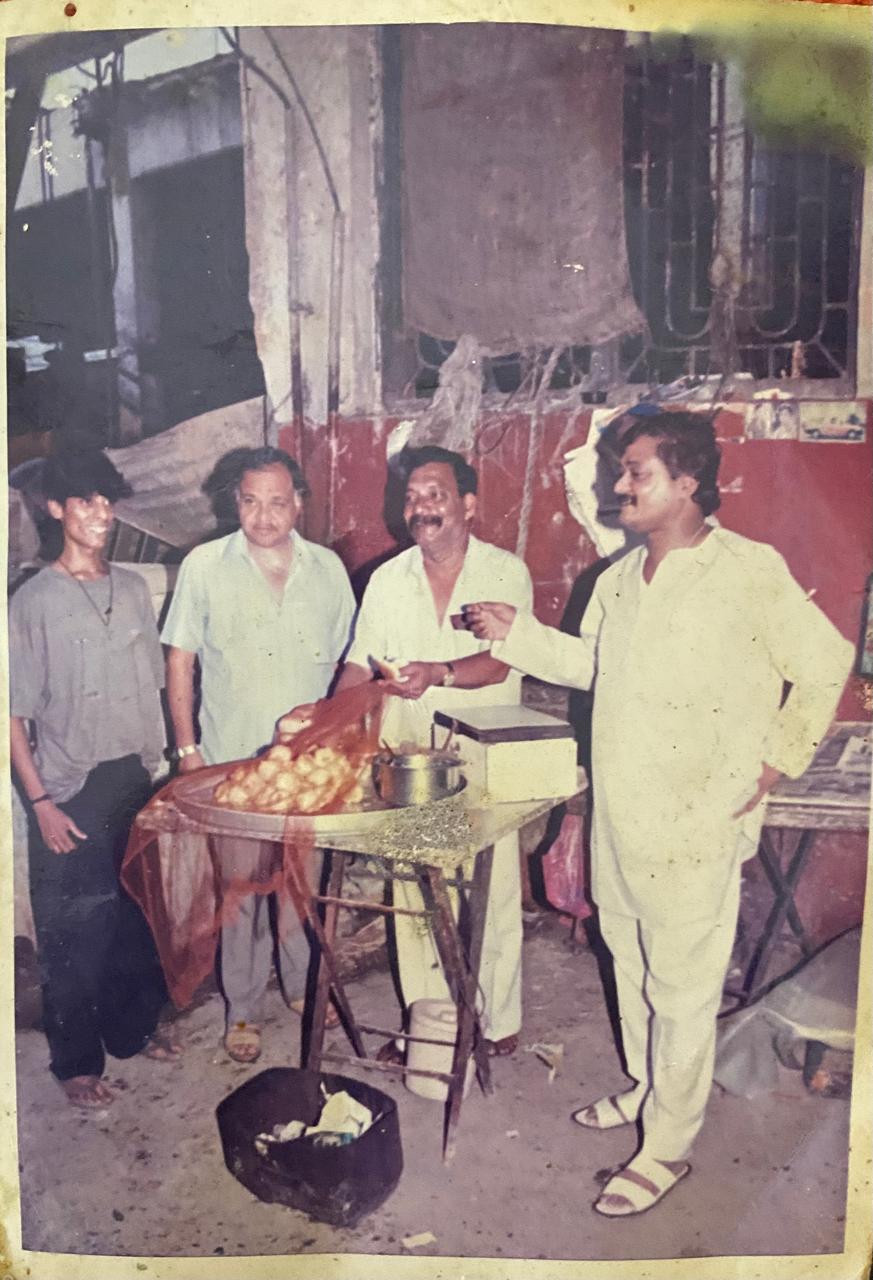
Accounts from GBH/PRI, Indian Express and Indian food media place Ashok Vaidya outside Dadar Railway Station in the 1960s. The idea was practical and deeply human: familiar food, combined in a form that commuters and workers could afford, carry and eat without stopping their day.
That is what gives the origin story its emotional weight. It did not begin as a branding exercise or a restaurant concept. It began by paying attention to ordinary people and the pace of the city around them.
Dadar sits at a transport and cultural crossroads. Dense rail traffic, nearby working-class neighbourhoods and the wider mill economy created exactly the kind of footfall a fast, affordable street snack could serve.
The product did not ask people to change their routine. It fitted into the routine they already had: walking, waiting, boarding, working, rushing home.
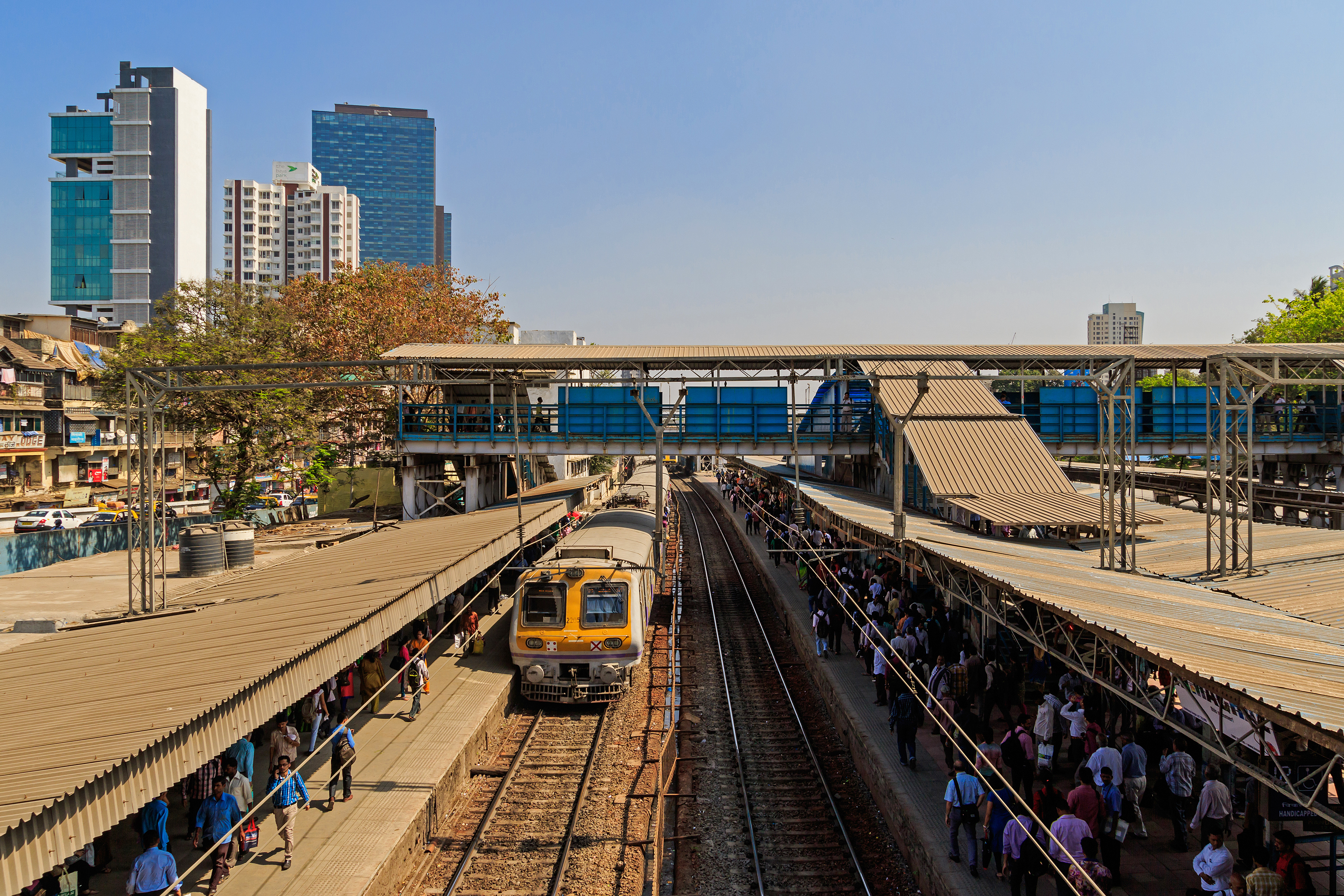
This timeline follows the Ashok Vaidya family story at Dadar Station and separates documented milestones from later retellings of the wider vada pav legend.
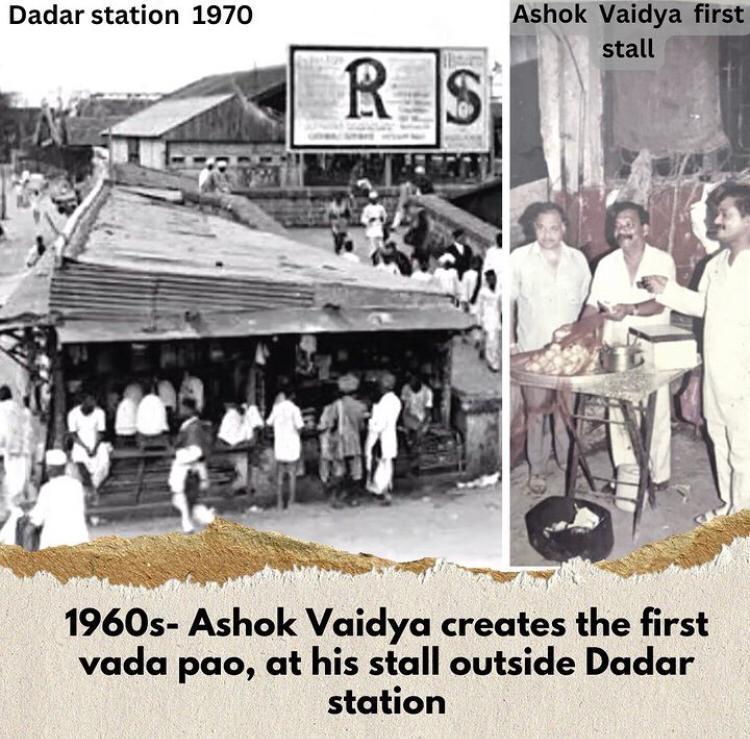
Ashok Vaidya is widely credited with introducing the vada pav format outside Dadar railway station. The idea matched the needs of commuters and nearby mill workers: hot, affordable, portable and quick.
Later reporting on the Vaidya family says Ashok received a vending licence around 1970, as the vada pav began outselling some of the other snacks he served.
The long textile strike transformed central Mumbai. Food historians connect the wider spread of vada pav vending with workers seeking new livelihoods during and after this period.
Ashok Vaidya died in 1998. His son Narendra Vaidya went on to continue the family business at Dadar Station, keeping the legacy tied to the same railway setting.
Siddharth Aalambayan's short documentary brought renewed attention to Ashok Vaidya, the scale of Mumbai's vada pav economy and the uncertain future of the original street stall.
GBH/PRI profiled the family and reported that Narendra Vaidya was continuing his father's business outside Dadar railway station.
Virtual Bharat released “My dad invented the vadapav”, Ashok Vaidya and Sons, revisiting the Dadar Station story with members of the Vaidya family.
The strongest brand story is still the simplest one: a food idea born around the railway crowd, carried forward by the Vaidya family, and remembered as part of Mumbai's everyday culture.
This team section uses verified names where available and intentionally avoids inventing job titles or biographies.
Street vendor widely credited with the 1966 Dadar origin account of vada pav.
Documented by GBH/PRI and later film coverage as continuing his father's business at Dadar railway station.
Use this card for current verified family/staff names and approved portraits once supplied by the business.
The strongest part of the Ashok story is not nostalgia. It is product-market fit before anyone used that phrase.
Assembly measured in moments, not table turns.
A snack that can move with the customer.
Existing foods combined into a more useful format.
Texture and spice make a tiny product feel complete.
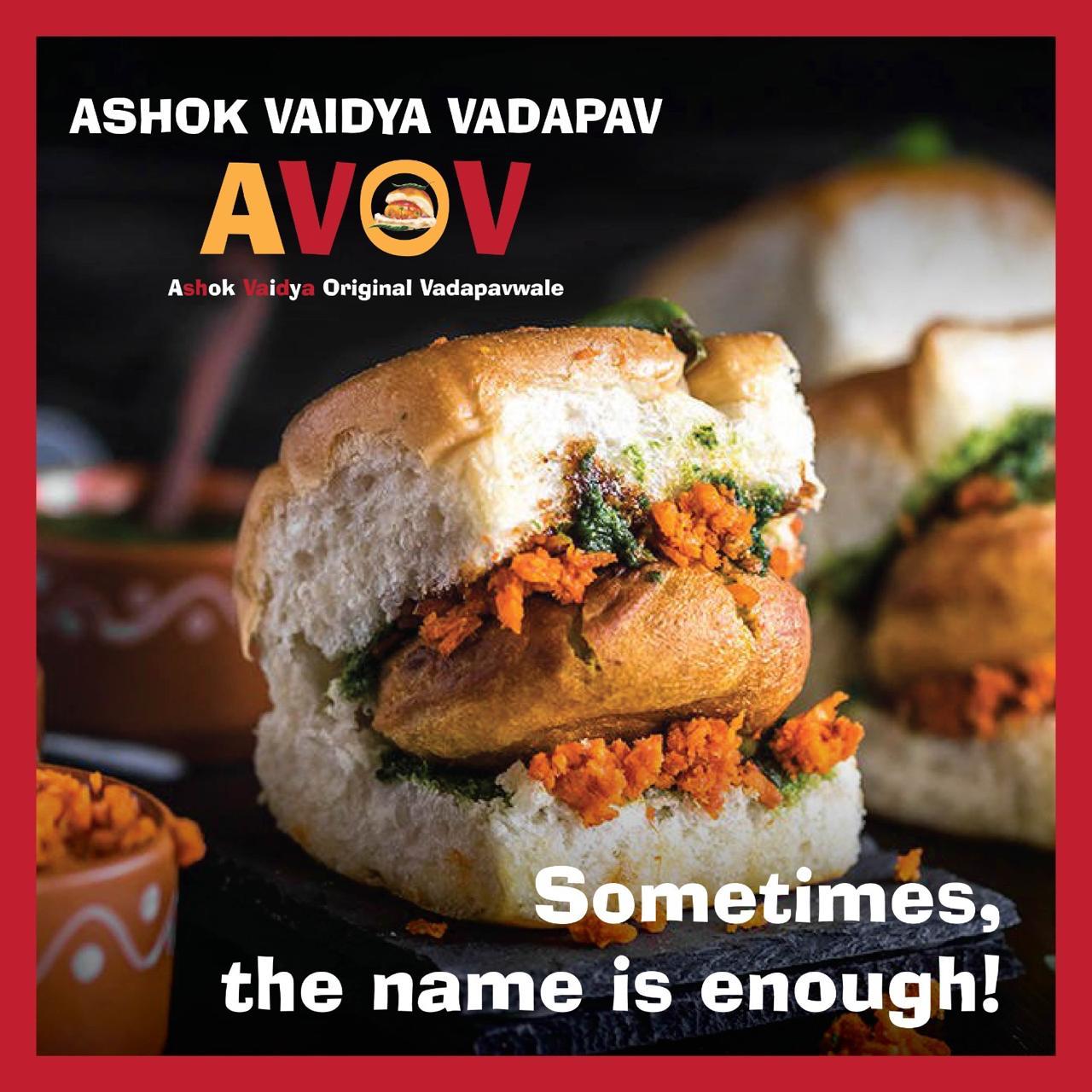
Its affordability and relationship to commuting and mill districts gave it meaning beyond taste.
Every area developed favourite stalls, chutney preferences and arguments about what a “proper” vada pav should be.
Film, politics, travel writing and restaurant menus turned the snack into a recognisable symbol of Mumbai.

To understand the legacy, you have to understand Dadar itself: railway density, Marathi cultural life, Shivaji Park, markets, institutions and generations of everyday food habits.
The station boards, route lines, ticket formats and Marathi details all come from that larger neighbourhood memory, where food and movement have always lived side by side.
The media page turns press coverage and documentaries into a newspaper-inspired archive focused only on Ashok Vaidya, his family and the Dadar Station story.